


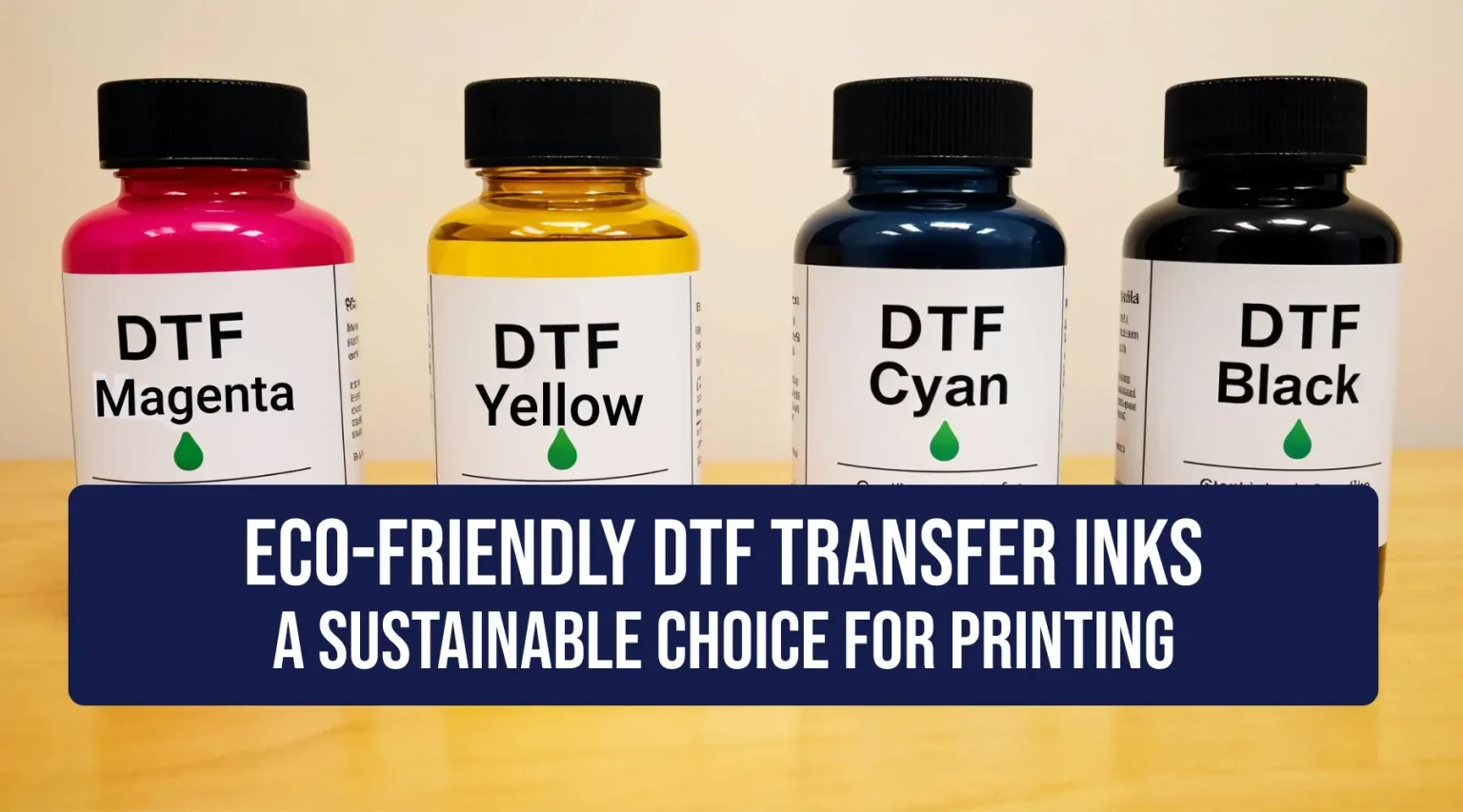
Eco-Friendly DTF Transfers are redefining how brands and hobbyists decorate garments, delivering bold, durable prints with a lighter environmental footprint. From DTF transfers materials to adhesives and inks, sustainable garment printing starts with choosing components that minimize waste and toxins. Using water-based inks for DTF and recycled or lower-impact films can maintain color vibrancy while aligning with green printing practices. This approach supports environmentally friendly garment printing by reducing VOCs, energy use, and end-of-life waste across the production cycle. Designers can balance performance and sustainability by selecting proven formulations and transparent supplier information to build trust with eco-conscious customers.
Eco-Friendly DTF Transfers: Materials, Methods, and Market Impact
Eco-friendly DTF transfers are reshaping how brands and hobbyists decorate garments by aligning vibrant printing with environmentally responsible choices. As awareness of environmental impact grows, designers seek solutions that preserve print quality while reducing waste, lowering toxin exposure, and supporting sustainable garment printing as a core practice. This shift isn’t just about compliance—it’s about building trust with customers who value responsibility and durability in their apparel.
At the heart of eco-friendly DTF transfers are the materials and workflows that determine a product’s footprint. By examining the life cycle—from sourcing and manufacturing to end-of-life options—creatives can choose options that minimize energy use and hazardous byproducts. Embracing greener materials and efficient processes helps maintain color, adhesion, and wash durability while advancing environmentally friendly garment printing across the industry.
Industry-wide adoption hinges on practical choices, such as selecting films with lower environmental impact, opting for water-based inks when feasible, and using low-toxicity adhesive powders. When these materials are paired with mindful production planning, studios can deliver high-quality transfers that meet consumer expectations without compromising the planet.
DTF transfers materials: Selecting Greener Film, Inks, and Adhesive Powders
Choosing greener DTF transfers materials begins with the film, the ink, and the adhesive powder—the core trio that defines performance and sustainability. Look for polyester films certified for lower halogen content, higher recycled content, and cleaner manufacturing processes. Recyclable liners and end-of-life options can further reduce waste, while film choices influence energy use during curing.
Inks should favor water-based formulations to minimize VOCs and heavy metals, while maintaining robust washfastness and color vibrancy. Pair these inks with low-odor, low-toxicity powders and compatible finishing coatings to extend durability without introducing unnecessary toxins. Selecting suppliers who disclose environmental data helps ensure that the entire chain—DTF transfers materials—meets green standards.
Finishing coatings and primers can also play a role in sustainability when they are low-emission and chemistry-compatible with the inks and fabrics you use. Considering the full package—from film to powder to coating—helps reduce waste and supports a more sustainable workflow.
Water-Based Inks for DTF: Balancing Color, Durability, and Sustainability
Water-based inks for DTF offer a practical path toward reduced environmental impact by lowering VOC emissions and improving worker safety. When properly formulated for transfer printing, these inks can deliver a wide color gamut, strong adhesion, and solid wash durability across a range of fabrics. The key is to optimize cure times and temperatures to minimize energy use without sacrificing performance.
For best results, obtain technical sheets from ink manufacturers that detail environmental data, color reproduction capabilities, and compatibility with your chosen film and adhesive system. Pair water-based inks with breathable fabrics to achieve a soft hand feel, which enhances consumer satisfaction and repeat business while supporting the broader goals of sustainable garment printing.
While water-based inks are a cornerstone of greener printing, ongoing validation of cure conditions and substrate compatibility is essential. This ensures the prints remain vibrant and durable through multiple washes, aligning with sustainable garment printing objectives.
Green Printing Practices for Sustainable Garment Decoration
Green printing practices focus on reducing energy use, minimizing waste, and protecting workers throughout the production workflow. Implement energy-efficient heat presses, use optimized dwell times, and explore presses with energy-saving modes to balance performance with sustainability. These measures translate into lower operating costs and a smaller environmental footprint.
Waste reduction and process optimization are also central. Reuse or recycle scrap materials where possible, manage inventory to minimize unused powders and films, and plan designs to reduce reprints. Safe handling procedures, improved ventilation, and safer cleaning agents protect workers while supporting a greener operation that resonates with environmentally conscious customers.
Efficient design and production planning—such as pre-press checks, color management, and layout optimization—further minimize waste and energy use. Local sourcing and supplier transparency enhance the overall green profile by reducing transport emissions and enabling shorter, cleaner supply chains.
Environmentally Friendly Garment Printing: Certifications, Partnerships, and Waste Management
Certifications and standards help buyers assess the sustainability of DTF processes. Look for REACH or RoHS compliance, eco-labels, and third-party verifications that provide transparency about ingredients and emissions. While certifications aren’t a silver bullet, they significantly improve confidence in a brand’s environmental claims.
Forming strong partnerships with suppliers who disclose ingredient lists and environmental data can streamline your journey toward environmentally friendly garment printing. Establish end-of-life programs for films and powders, favor products with take-back or recycling options, and encourage vendors to share progress on packaging reduction and responsible sourcing.
Incorporating these considerations into procurement not only supports sustainability but also strengthens your brand narrative. Transparent supplier relationships and clear environmental performance data reinforce customer trust and help differentiate you in a competitive market.
Implementing Greener DTF Transfers in Your Shop: Steps, Audits, and Case Studies
To start, conduct a comprehensive audit of your current workflow—from design to curing—to identify where waste, energy use, or toxic materials could be reduced. Document energy usage, material waste, and exposure risks to create a baseline for improvement. This step is essential for measuring progress over time.
Next, source greener materials, such as films with recycled content, water-based inks, and low-toxicity powders. Request certificates or third-party audits to verify environmental claims, and pilot test new options on representative fabrics to confirm color fidelity and durability before wide-scale adoption.
Practical implementation includes calibrating curing and pressing for each fabric type, conducting small trials, and educating staff on safe handling and waste reduction. Track metrics like waste volume, energy consumption, and production yield to refine processes and set concrete targets. Case studies from small and mid-sized shops demonstrate that thoughtful phasing—replacing inks, then shifting to recycled films, and finally optimizing layouts—can yield measurable sustainability gains while preserving quality.
Frequently Asked Questions
What are Eco-Friendly DTF Transfers and how do they support sustainable garment printing?
Eco-Friendly DTF Transfers use greener materials and safer production practices across the film, inks, and adhesive powder, along with green printing practices to reduce environmental impact. This approach supports sustainable garment printing by lowering VOCs, reducing waste, and enabling durable, vibrant prints on a wide range of fabrics.
What DTF transfers materials should I choose for Eco-Friendly DTF Transfers?
Key DTF transfers materials for eco-friendliness include films with recycled content or lower halogen content, water-based inks for DTF with low toxins, and low-odor adhesive powders. Finishing coatings that follow green chemistry can help, and consider the product life cycle and supplier take-back programs.
How do Water-based inks for DTF contribute to Eco-Friendly DTF Transfers?
Water-based inks for DTF contribute to Eco-Friendly DTF Transfers by lowering VOC emissions, improving safety in the workspace, and often delivering strong color and washfastness when formulated for transfers. Validate cure temperatures to optimize energy use without sacrificing durability.
What Green printing practices should I adopt for Eco-Friendly DTF Transfers?
Green printing practices for Eco-Friendly DTF Transfers focus on reducing energy use and waste: use energy-efficient heat presses, recycle scrap film and liner, ensure good ventilation, optimize designs to minimize reprints, and choose local suppliers with transparent environmental data.
What practical steps can I take to implement Eco-Friendly DTF Transfers in my shop?
Practical steps: audit current workflow, source greener DTF transfers materials (films with recycled content, water-based inks, low-toxicity powders), optimize curing settings, run small tests on representative fabrics, educate operators on safe handling, and track waste and energy to refine processes.
Are there certifications or standards to look for when evaluating Eco-Friendly DTF Transfers?
Look for certifications and standards such as REACH or RoHS compliance, low-toxicity formulations, eco-labels, and end-of-life programs. Third-party verifications can help, but remember certifications are one part of evaluating Eco-Friendly DTF Transfers.
| Key Topic | Key Points |
|---|---|
| What Eco-Friendly DTF Transfers are | Focus on sustainability of materials and manufacturing practices for direct-to-film transfers, aiming to reduce environmental impact without sacrificing quality. |
| Core components | Film, inks, and adhesive powder; each can be sourced or executed to reduce toxicity, waste, and energy use; optimize workflow to minimize energy and chemical exposure. |
| Greener film considerations | Prefer lower halogen content, recycled content, cleaner manufacturing; recycled/recyclable liners; consider energy impact during curing. |
| Greener inks | Water-based pigments; lower VOCs; low heavy metals; ensure washfastness and durable prints. |
| Adhesive powder and finishing | Low-odor, low-toxicity powders; consider recyclability; ensure coatings are compatible with inks and fabrics and follow green chemistry guidelines. |
| Water-based inks and breathability | Vibrant color with safety and environmental benefits; validate cure temps/times and performance across fabrics. |
| Green printing practices | Energy efficiency, waste reduction, safer workspace, design optimization, local sourcing, and supplier transparency. |
| Practical steps to implement | Audit workflow, source greener materials, optimize curing, test and validate, educate team, measure and refine. |
| Certifications and industry standards | REACH/RoHS compliance, third-party verifications, eco-labels, recycled content, and end-of-life programs. |
Summary
Eco-Friendly DTF Transfers offer a practical path toward greener garment printing without sacrificing the quality customers expect. This descriptive overview highlights how selecting greener materials—film, inks, adhesive powders—and embracing water-based inks, paired with conscious printing practices, can reduce waste, lower toxin exposure, and improve sustainability across production. By auditing workflows, choosing certified materials, and implementing energy-efficient curing, brands and printers can deliver durable, vibrant designs on cotton, blends, and performance fabrics while strengthening brand trust and environmental stewardship. Start with small, measurable changes—opt for recycled-film options, validate ink performance, and build a transparent supply chain—and over time these steps compound into meaningful improvements for clients, teams, and the planet.