

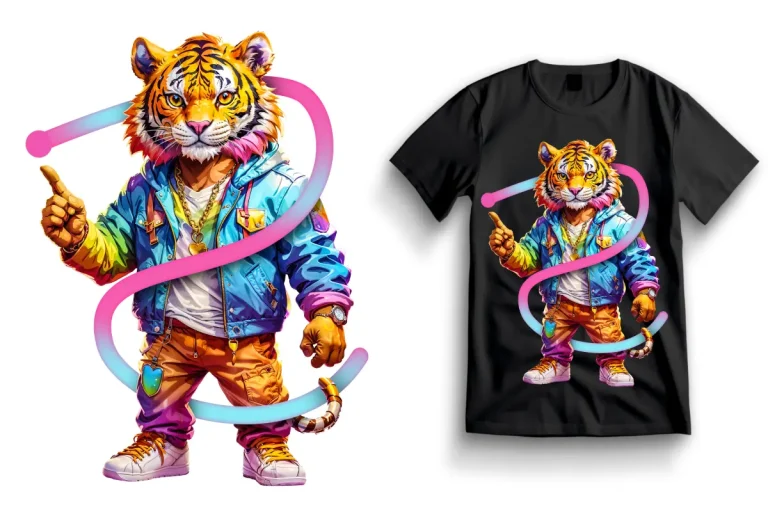
Custom apparel creators frequently experience the frustration of turning away complex, multi-colored orders due to production limitations. Traditional methods like screen printing demand intense setup times, while vinyl weeding eats up valuable hours. This is precisely why high-quality dtf transfers have transformed the modern garment decoration landscape, offering an efficient, full-color solution with zero design restrictions. By enabling direct application onto virtually any fabric type, this technology allows small businesses and independent designers to achieve retail-grade results without investing in massive commercial machinery. Scaling your production requires selecting the right materials and mastering the application steps that ensure long-lasting prints.
The Structural Evolution of Modern Textile Decoration
The industry pivot toward DTF systems stems from a critical need for production flexibility. In the past, running a handful of full-color jackets or custom polyester jerseys required either expensive sublimation setups or complex screen setups that made short runs financially impossible. The direct-to-film process solves this dilemma by printing specialized pigment inks directly onto a clear polyester carrier film, which is then coated with a thermoplastic adhesive powder. The entire design transfers seamlessly to the garment under a heat press, embedding the graphics deep into the textile fibers.
Fabric compatibility stands out as a massive benefit of this approach. While sublimation remains locked strictly to light-colored polyester and screen printing struggles with high-stretch synthetics, film transfers adapt beautifully to 100 percent cotton, heavy canvas, blended materials, nylon, and even treated leathers. The resulting prints exhibit remarkable flexibility, moving naturally with the movement of the garment without cracking, splitting, or showing heavy textural stiffness.
Establishing a Secure and Fast Local Supply Chain
When sudden order surges occur or clients demand tight completion windows, waiting days for material shipping introduces unwanted operational risk. For this reason, local apparel shops frequently search for reliable dtf transfers near me to establish a responsive, regional safety net. Securing a trusted provider in your immediate geographic area minimizes transit delays, slashes shipping overhead costs, and allows you to physically inspect sample prints before committing to a massive production run.
Geographic proximity also facilitates easier communication when troubleshooting intricate graphic assets. If a file contains semi-transparent gradients or ultra-fine vector lines, working with a local supplier allows you to adjust print profiles quickly. Building a blended sourcing strategy that utilizes local production for rush jobs and massive regional hubs for bulk inventory gives your custom clothing brand the ultimate competitive edge in terms of speed and adaptability.
Navigating the Competitive Texas Custom Print Market
Texas represents a massive commercial market for custom merchandise, corporate branding, and athletic apparel. If you operate within this region, tracking down the best dtf transfer at Houston requires a strict evaluation of a supplier’s raw materials, machine maintenance standards, and quality control steps. High-end custom work requires an absolute commitment to details, including crisp edge definition, complete opacity on dark garments, and exact color replication that satisfies rigid corporate brand guidelines.
Investing in a high-caliber Houston dtf transfer partner ensures your finished products will withstand the demanding expectations of the local market. Commercial-grade print shops use advanced industrial heads and specialized ink agitation systems that prevent the micro-clogging responsible for faint lines or uneven white under-layers. By matching your creative assets with a top-tier regional producer, you ensure that every shirt leaving your shop looks professional, polished, and ready for retail display.
Key Performance Benchmarks for Premium Prints
- Underbase Density: The white ink foundation must be thick and perfectly registered so that bright colors remain vibrant on black or navy fabrics without any base fabric show-through.
- Elastic Recovery: The cured design must stretch along with elastic fabrics like spandex or rib-knit cotton, returning to its original shape without cracking or leaving permanent stretch marks.
- Surface Finish: A premium transfer offers a soft hand feel that mimics high-end screen prints rather than leaving a thick, plastic-like shield on the chest of the wearer.
A Professional Application Guide for Commercial Success
Even the finest transfer material will fail prematurely if the final application process is executed poorly. Achieving an enduring bond that survives dozens of commercial laundry cycles requires meticulous control over heat, pressure, and timing variables. Establishing a standardized, repeatable press workflow within your workshop will eliminate adhesive failure and maximize your daily output.
Preparing the Textile Surface
Before introducing the printed film to the garment, position the blank apparel item on the lower platen of your heat press. Apply heavy pressure for five to seven seconds to pre-bake the fabric. This process drives out ambient moisture trapped within the textile fibers and flattens out wrinkles. Skipping this step can trap steam beneath the melting adhesive powder, leading to micro-bubbles that weaken the bond over time.
Executing the Primary Heat Application
Position your printed film precisely onto the smooth, moisture-free fabric surface. Using a calibrated professional heat press, apply uniform heat at 300 to 315 degrees Fahrenheit for 12 to 15 seconds. Ensure your equipment is set to a true medium-to-firm downforce. Avoid using small craft irons or lightweight swing-away presses that cannot deliver the consistent, high-pressure output necessary to melt the thermoplastic powder completely.
Cooling, Peeling, and the Finishing Press
Allow the entire garment to cool completely if you are working with a cold-peel film, or remove the carrier sheet immediately if utilizing a modern hot-peel alternative. Peel the film in a smooth, continuous diagonal motion. Once the plastic carrier is gone, place a protective sheet of matte finish paper or a Teflon sheet directly over the exposed print. Perform a secondary post-press for five seconds at the same temperature. This final press locks the edges permanently into the fabric weave and replaces any lingering artificial shine with a clean, retail-ready matte texture.
Frequently Asked Questions Regarding Advanced Textile Transfers
How do these advanced prints compare to traditional screen printing?
While screen printing requires separate physical screens, ink mixing, and intense cleanup for every color used, this digital method prints all colors simultaneously along with a white foundation layer. This makes it significantly more cost-effective for low-to-medium order quantities and highly intricate artwork, while delivering matching durability and a similarly soft texture.
What causes the edges of a design to lift after pressing?
Edge lifting typically indicates that the adhesive powder did not melt completely or fuse with the fabric fibers. This occurs due to inaccurate heat press calibration, insufficient manual pressure, or an uneven heating element. Always verify your press temperature using an infrared thermometer to ensure even heat across the entire platen surface.
Can these designs be safely applied to heat-sensitive synthetics?
Yes, because modern thermoplastic powders melt at lower temperatures than traditional plastisol transfers, they can be safely applied to delicate synthetics like polyester and nylon. To prevent heat scorching or dye migration on 100 percent polyester, lower your application temperature slightly and utilize a specialized low-melt powder formulation.
Positioning Your Apparel Brand for Long-Term Growth
Succeeding in the modern custom apparel space requires balancing rapid order turnaround with uncompromised print quality. Transitioning to advanced digital transfer methods eliminates the historic barriers of high order minimums and complex color separation, allowing you to focus on expanding your product catalog and satisfying your client base. At Harwin DTF, we remain dedicated to equipping custom apparel creators with the rugged durability, rich color density, and dependable performance required to scale operations seamlessly. By outsourcing your high-volume production needs to an infrastructure designed for commercial excellence, you can confidently build your brand footprint while knowing your finished garments meet the highest industry standards.