

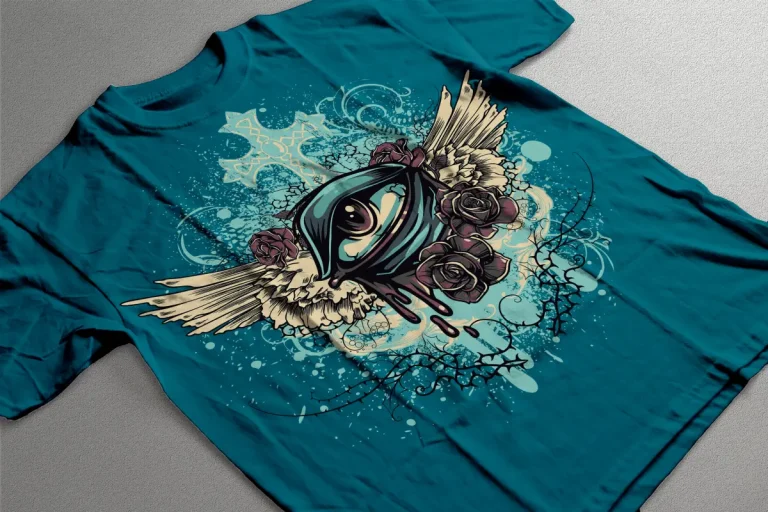
The apparel decoration industry is experiencing a massive shift, and if you are still relying solely on traditional screen printing or vinyl cutting, you might be leaving significant revenue on the table. Direct-to-film, universally known as DTF, has revolutionized how custom apparel is designed, produced, and delivered. The demand for high-quality, vibrant, and durable dtf transfers has grown exponentially because they offer a seamless solution for complex multi-color designs without the tedious weeding or expensive setup fees of older methods. Whether you are running an established clothing brand, producing merchandise for a local event, or expanding a home-based crafting business, understanding how to leverage this technology is the key to scaling your production and maximizing your profit margins.
Why Custom Apparel Creators are Shifting to Modern Printing Technology
For decades, decorators faced a difficult choice when taking custom orders. Screen printing offered great durability but required high minimums due to intense setup times. Vinyl transfers were perfect for simple names and numbers but failed miserably with complex gradients or fine details. This is exactly where modern DTF technology bridges the gap. By printing specialized pigment inks onto a clear film and applying a hot-melt adhesive powder, creators can now transfer full-color, photographic-quality images onto almost any fabric imaginable.
The versatility of this method extends far beyond standard cotton t-shirts. Because the adhesive bonds at lower temperatures compared to traditional transfers, you can easily customize polyester, nylon, canvas, and even leather without risking heat scorching or dye migration. The result is a soft, stretchable finish that moves naturally with the garment and withstands dozens of laundry cycles without cracking or peeling.
Finding the Right Production Partner Locally and Digitally
When urgency strikes and a client needs a fast turnaround, many business owners immediately begin searching online for reliable dtf transfers near me to avoid shipping delays and minimize transit risks. Having a local supply chain means you can handle last-minute orders, inspect physical samples before a full production run, and even offer same-day fulfillment to your own customers. Local accessibility builds massive operational agility for boutique brands that operate on tight deadlines.
However, location is only one part of the equation. True operational success relies heavily on the actual build quality, ink density, and powder consistency of the prints you receive. While searching locally is a fantastic starting point for quick turnarounds, your ultimate goal should always be finding a partner that balances geographic convenience with industrial-grade reliability, ensuring that every single print looks identical to the digital proof.
Securing Top-Tier Custom Prints in Major Texas Hubs
Texas has become a massive epicenter for custom apparel, and the competition among print shops is fierce. If you are operating in the Lone Star State, finding the absolute best dtf transfer at Houston requires looking beyond basic marketing claims and focusing strictly on physical performance metrics. High-quality prints must possess exceptional stretchability, a soft hand-feel, and perfect color accuracy, especially when reproducing brand logos with specific corporate color palettes.
Working with a dedicated regional provider for your Houston dtf transfer needs ensures that you are getting products optimized for the local market. Premium regional suppliers use advanced commercial printheads and high-grade polyurethane powders that prevent the stiffness often associated with lower-end alternatives. By choosing a partner focused on commercial excellence, you can confidently promise your clients retail-ready garments that stand up to the highest industry standards.
Critical Quality Factors to Evaluate in Your Prints
- Color Precision and Vibrancy: The white ink backing must be dense and perfectly aligned under the color layers to ensure that graphics pop beautifully on dark fabrics without any fabric color bleeding through.
- Wash Durability: A premium transfer should easily withstand more than fifty commercial wash cycles without showing signs of premature cracking, fading, or edge lifting.
- Texture and Flexibility: The final pressed design should feel lightweight and flexible, easily stretching with the garment fabric rather than feeling like a stiff plastic sheet glued to the chest.
Step-by-Step Commercial Application Guide for Perfect Results
Even the highest quality print can fail if the application process is flawed. To ensure your custom apparel achieves maximum durability and a true retail finish, you must maintain absolute control over three critical variables: temperature, pressure, and time. Following a strict, repeatable application workflow will eliminate common issues like peeling edges or incomplete adhesive activation.
Pre-Pressing the Garment
Before placing your design, always press the blank garment by itself for five to eight seconds. This crucial step removes all residual moisture and flattened wrinkles from the fabric fibers. If moisture is trapped inside the fabric during the main press, it can create tiny steam pockets that weaken the adhesive bond over time.
The Primary Heat Press
Position your design precisely on the pre-pressed fabric. Apply heat using a reliable commercial press at approximately 300 to 320 degrees Fahrenheit for 12 to 15 seconds, maintaining a solid medium-to-firm pressure. Avoid using cheap handheld irons, as they cannot provide the uniform heat distribution and consistent downforce required for commercial-grade adhesion.
Cooling and Peeling Strategy
Depending on the specific film formulation provided by your supplier, allow the garment to cool completely if using a cold-peel film, or peel immediately if using a hot-peel alternative. Once the carrier sheet is smoothly removed, place a sheet of parchment paper or a protective finishing sheet over the design and press for an additional 5 seconds. This secondary press locks the design deep into the fabric weave and completely eliminates any remaining synthetic gloss, giving the garment a premium, matte finish.
Frequently Asked Questions Regarding Custom Apparel Transfers
What types of fabrics work best with these modern transfers?
One of the greatest advantages of this printing method is its universal compatibility. You can apply these designs to 100% cotton, 100% polyester, poly-cotton blends, canvas, denim, nylon, and leather. The adhesive powder forms a highly resilient bond across all these diverse textures without requiring specialized pre-treatment liquids.
Why are my custom prints cracking after a few washes?
Premature cracking is almost always caused by insufficient pressure or low temperatures during the initial application process, which prevents the powder adhesive from melting completely and fusing with the fabric. It can also happen if the original print used low-grade, brittle inks instead of premium, flexible polyurethane-based formulations.
How should decorated garments be washed to ensure longevity?
To maximize the lifespan of any customized apparel, advise your end consumers to turn the garments inside out before washing. Machine wash using cold water and mild detergents on a gentle cycle. Avoid using harsh chlorine bleach or fabric softeners, and tumble dry on low heat or line dry for the absolute best results.
Scaling Your Brand with Reliability and Professional Execution
Succeeding in the highly competitive custom apparel landscape requires combining creative design with flawless technical execution. By transitioning to commercial-grade solutions, you eliminate the time-consuming limitations of traditional setups and open the door to unlimited color variations, complex details, and rapid order fulfillment. At Harwin DTF, we understand the fast-paced demands of modern creators and business owners. Partnering with a dedicated expert ensures your brand receives the consistent quality, vibrant colors, and rugged durability needed to keep your customers coming back for more. Focus on growing your business and designing incredible concepts, and let professional production infrastructure handle the heavy lifting to elevate your brand to the next level.