

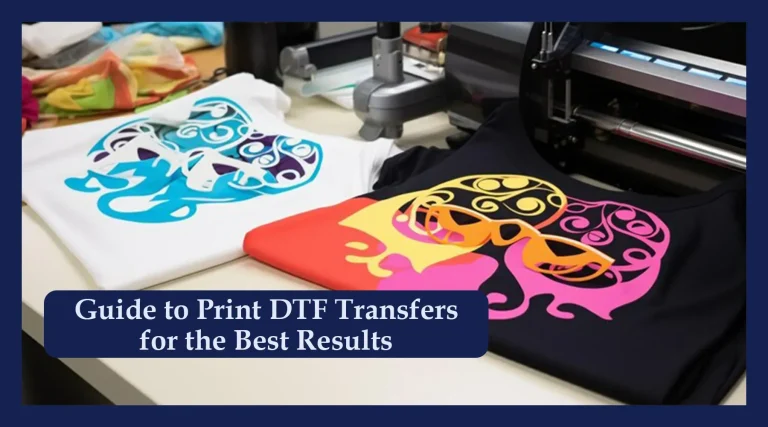
DTF transfers have surged in popularity as hobbyists and small businesses gain access to vibrant, durable designs on a wide range of fabrics. Direct-to-Film printing sits at the heart of this approach, offering a user-friendly alternative to more complex garment decoration methods. This beginner-friendly process combines film, adhesive, and heat to transfer patterns with bright color and excellent wash resistance. The workflow emphasizes consistent alignment, proper curing, and a straightforward heat-press sequence that reduces mistakes and rework. If you’re evaluating options, you’ll find this method blends detail, durability, and flexibility for small-run projects, while enabling scalable growth and lasting results.
An alternative framing is to call this film-based transfer technique that uses a carrier film, adhesive powder, and hot-press heating to embed the design onto textiles. From a practical standpoint, designers prepare artwork, apply adhesive powder, cure the sheet, and press it onto fabric to secure vibrant imagery. This approach offers broad compatibility with fabrics and easy iteration for small-batch projects, aligning with modern DIY and on-demand gifting. Compared with other methods like traditional screen printing, this route emphasizes color depth and detail without the complexities of pretreatment or long setup times.
DTF transfers for beginners: a gentle entry into Direct-to-Film printing
DTF transfers, short for Direct-to-Film printing, offer a modern and beginner-friendly way to decorate clothing and accessories. The process prints a design onto a special film, applies an adhesive powder, and then uses heat and pressure to bond the image to fabric. For newcomers, this approach provides vibrant color, detailed imagery, and a workflow that feels approachable rather than technically intimidating.
To get started with DTF printing for beginners, you can begin with a standard inkjet printer paired with DTF-compatible inks, a roll of transfer film, and a reliable heat press. Start with simple designs, practice alignment, and test on scrap fabrics to learn how different materials respond and how long to cure the film before pressing—the learning curve is gentle and forgiving with careful preparation.
Understanding the DTF transfer process: from design to finished garment
The DTF transfer process begins with a well-prepared design that is color-managed for accurate output. When working on fabrics that will be dark or colored, plan for a white underprint to maintain brightness and contrast, ensuring the final image pops when transferred.
Next comes printing onto the DTF film with pigment-based inks, applying and curing the adhesive powder, and then transferring the finished image to fabric using a heat press. Proper curing, correct heat, time, and pressure, followed by a careful peel, all contribute to a durable and vibrant result across a range of fabrics.
DTF transfer process and how it compares to DTG and screen printing
DTF transfer process comparisons are common as makers weigh options like DTG and traditional screen printing. DTF transfers sit between these methods, offering full-color detail and versatility with fewer pretreatment steps than DTG and more flexibility for small runs than traditional screen printing.
In practice, DTF transfers enable strong adhesion and durable results on many fabrics, while DTG may deliver a softer hand on cottons with pretreatment, and screen printing can be more economical for large batches but may require more setup. Understanding these strengths and limitations helps you choose the right method for a given project and budget.
Design and material considerations for successful DTF transfers
Successful DTF transfers begin with thoughtful design and material choices. Consider fabric type (cotton, polyester blends, and some rayons), the color palette, and whether a white underprint is needed to preserve vibrancy on dark garments. Color management and file preparation play key roles in ensuring your designs reproduce accurately using Direct-to-Film printing.
When designing for DTF, plan for color layers, gradients, and fine details. Use high-resolution images, test prints, and color profiles to minimize surprises. By aligning design expectations with the capabilities of the film and adhesive, you’ll maximize compatibility with a wide range of fabrics and achieve consistent results.
Equipment and setup: building a reliable DTF transfer workflow
A reliable DTF transfer workflow starts with a compatible inkjet printer, DTF film, and adhesive powder. Pair these with a quality heat press and supportive accessories like transfer sheets to protect designs during pressing. Proper maintenance of the printer and careful handling of the film are essential for consistent, repeatable results.
Beyond the basics, pay attention to calibration, color management, and careful workflow planning. Keep in mind the specifics of Direct-to-Film printing, such as film handling, powder distribution, and curing parameters, to maintain print quality across different fabrics and project sizes.
Maintenance, troubleshooting, and care to extend DTF transfers’ life
Maintaining your DTF setup helps prevent common issues like misregistration, color bleed, and poor adhesion. Verify transfer media alignment, check the printer’s color profile, and ensure the adhesive powder is evenly applied and fully cured before pressing to maintain consistency.
Care and post-processing also matter for longevity. Wash garments inside-out in cold water, avoid high-heat dryers, and follow fabric-specific care guidance. Regular printer maintenance, timely ink and film replacements, and keeping a clean workflow will help your Direct-to-Film prints stay vibrant and durable over time.
Frequently Asked Questions
What are DTF transfers and how does Direct-to-Film printing work?
DTF transfers are a modern garment decoration method that uses a special film to transfer ink designs to fabric. In Direct-to-Film printing, you print the artwork onto a DTF film with pigment inks, apply an adhesive powder, cure it, and then press the film onto fabric with a heat press. The result is vibrant color, good stretch, and durable adhesion across many fabrics. This approach simplifies the process compared with older methods while delivering detailed, multi-color images.
How does the DTF transfer process compare to DTG and screen printing?
The DTF transfer process sits between direct-to-garment printing (DTG) and screen printing. DTG can yield very soft hand and is great for detailed designs but often requires pretreatment and careful care. Screen printing is cost-effective for large runs but struggles with color depth and complex imagery. DTF transfers deliver detailed, full-color images with relatively straightforward setup and maintenance, making them a versatile option for hobbyists and small shops.
Is DTF printing for beginners suitable for hobbyists and small shops?
Yes. DTF printing for beginners offers a user-friendly workflow, scalable from single items to small batches, and it doesn’t require extensive pretreatment. With a compatible printer, DTF film, adhesive powder, and a heat press, hobbyists can produce durable transfers and gradually learn the workflow.
Which fabrics work best with DTF transfers and how do dark vs light fabrics affect the result?
DTF transfers work with a wide range of fabrics, including cotton and polyester blends, but you should test adhesion on your specific fabrics, especially synthetics that may need different heat settings. Dark fabrics often benefit from a white underprint to ensure color vibrancy, while light fabrics usually don’t require it.
What are common challenges in the DTF transfer process and how can I troubleshoot them?
Common issues include misregistration, color bleed or misalignment, poor adhesion, and a stiffer hand on some fabrics. Troubleshooting tips: ensure the transfer media is properly aligned and firmly secured, calibrate printer color profiles, apply adhesive powder evenly and cure it thoroughly, and adjust heat, time, and pressure for the fabric type.
How should I care for clothing with DTF transfers to maximize their life?
To maximize the life of DTF transfers, wash garments inside-out in cold water and avoid high-heat dryers. Dry flat or hang to dry, and avoid ironing directly on the print. Regular printer maintenance and using high-quality inks and films also help preserve color and adhesion over time.
| Topic | Summary |
|---|---|
| What are DTF transfers? | Printing a design onto a film, applying adhesive powder, curing, and transferring to fabric with a heat press—delivering vibrant color and good durability. |
| How DTF printing works | A design is printed on DTF film with pigment inks, adhesive powder is applied and cured, then the image is transferred to fabric using a heat press. |
| DTF vs. DTG and screen printing | DTF sits between DTG and screen printing, offering detailed, color-rich images with relatively simple setup; DTG is softer but needs pretreatment; screen printing is cost-effective for large runs but may have less color depth. |
| Workflow (beginner-friendly) | Prepare design, print on film, apply adhesive powder, cure, transfer with heat, and post-transfer finishing. |
| Equipment & materials | Printer with DTF inks, DTF film, adhesive powder, heat press, and transfer protective sheets. |
| Fabric compatibility | Works on cotton and polyester blends; test adhesion on fabrics; consider white underprint for dark fabrics. |
| Benefits for beginners/small shops | Vibrant color, high detail, supports small runs and one-offs, with a flexible and scalable workflow. |
| Common challenges | Misregistration, color bleed, adhesion issues, and hand feel; calibrate color profiles, ensure proper curing, and maintain consistent processing. |
| Care & maintenance | Follow garment care guidelines; wash cold, inside-out; perform regular printer maintenance and use quality inks/films. |
Summary
DTF transfers offer a versatile entry into Direct-to-Film printing, enabling hobbyists and small shops to create vibrant, durable designs on apparel and accessories. This beginner-friendly guide explains what DTF transfers are, how the Direct-to-Film printing process works, and how to start producing high-quality transfers with a simple workflow. By focusing on design preparation, film printing, adhesive powder curing, and heat-press transfer, you can achieve detailed, color-rich results across a range of fabrics. With the right equipment, materials, and post-transfer care, DTF transfers provide a flexible, scalable option for customized garments, school projects, and DIY gifts. As you gain experience, experiment with fabrics, colors, and designs to unlock the full potential of Direct-to-Film printing and deliver vibrant, lasting prints.